
PERSONAL TRUST SERVICES

Your trust. Your family. Our experience, for generations.

When your wealth, your family, and your wishes need to last for generations, trust services give you control, structure, and a plan your family can actually count on. As fiduciary advisors in Denver, we help you put the right trust and estate framework in place, and we stay involved to make sure it works the way you intended.

Schedule a Free Strategy SessionSee how we can serve

Dechtman - PTS - Hero

WHY FAMILIES PARTNER WITH US

Who manages your trust matters as much as what's in it.

A trust is one of the most powerful tools available for preserving family wealth, protecting beneficiaries, and carrying out your wishes long after you are no longer able to. But how we administer that trust determines whether it actually delivers on its intent.

At Dechtman Wealth Management, we have the experience, the resources, and the long-term relationships to provide trust services for you and your family for generations to come. As fiduciaries, we are obligated to act in your best interests at every step, whether we are guiding you through the design of a new trust, administering an existing one, or stepping in as your successor trustee when the time comes.
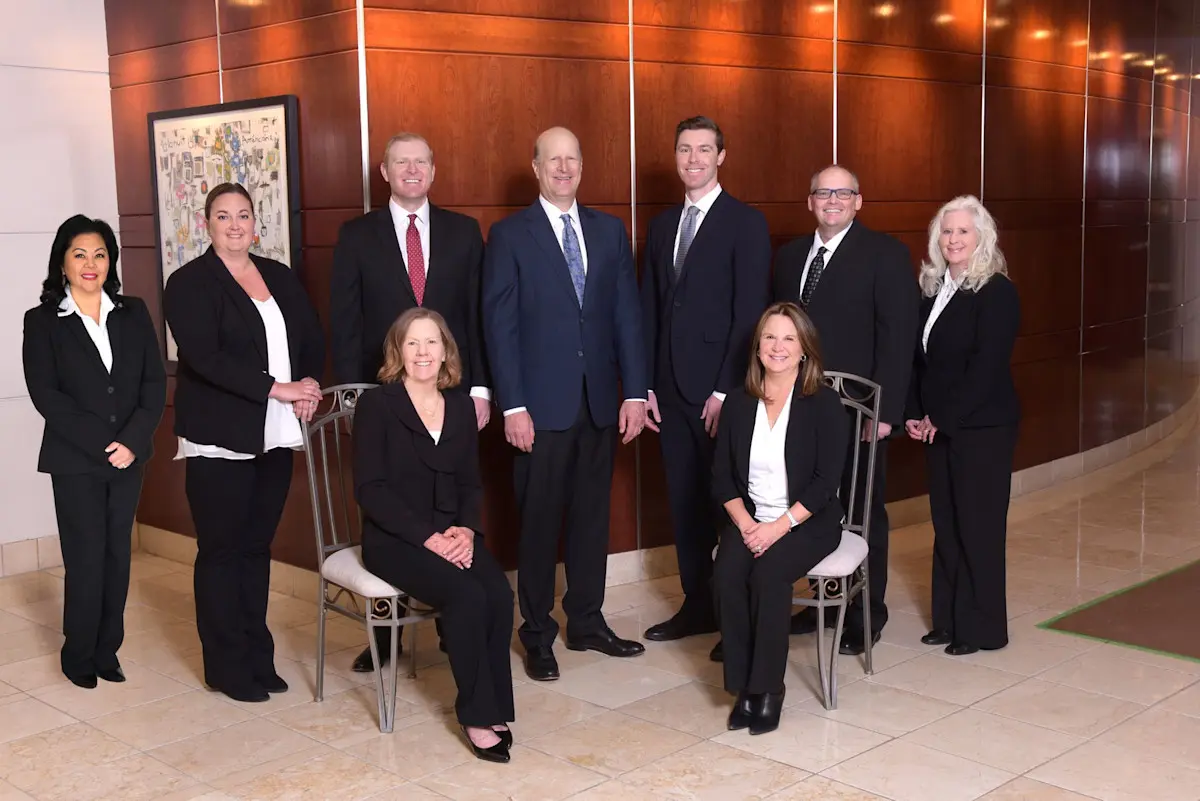
Dechtman - PTS - Who Manages

THREE PILLARS OF OUR TRUST SERVICES

What we handle so your family doesn't have to.

Every trust we administer is supported by three coordinated services, managed by one team and integrated with the rest of your financial plan.

Administration

Day-to-day administration of your trust: paying expenses, calculating distributions, exercising discretion, and evaluating beneficiary needs, all in strict alignment with the terms you defined.

Tax & Reporting

We track principal and income, file trust income tax returns, and produce the reporting and tax forms your beneficiaries need for their personal returns, all coordinated with the trust's investment activity.

Investment Continuity

Assets stay under the same disciplined investment process you already know. Your overall plan stays aligned, your tax strategy stays intact, and beneficiaries inherit a portfolio that we have actively managed in the context of the trust's objectives.

WAYS WE CAN SERVE

The right role for your family's situation.

Depending on how your trust is written and how you would like us to work with family members, other individual trustees, or your executor, we can serve in a number of capacities.

As Trustee

  • Corporate Trustee

    • We hold the full fiduciary administrative, tax, and investment duties of trustee. Investment management remains under our team so your portfolio stays aligned with the rest of your plan.

  • Directed Trustee

    • We hold the administrative and tax duties of trustee while another named party directs the investment of trust assets per the terms of your trust.

  • Co-Trustee

    • We share discretionary distribution decision-making with an individual co-trustee, while retaining authority over the remaining trustee functions. Useful when a family member wants to stay involved in family-sensitive decisions.

  • Successor Trustee

    • We are named in your trust to step in when you or the current trustee is no longer willing or able to serve. We perform no current duties. We are simply ready when the family needs us.

As Agent

  • Agent for Trustee, with Investment Authority

    • We handle the administrative and tax duties delegated to us and assume responsibility for investing trust assets in line with the trust's objectives.

  • Agent for Trustee, without Investment Authority

    • We handle the administrative and tax duties delegated to us while the trustee retains investment responsibility.

  • Agent for an Executor

    • We support the executor in settling an estate, performing the administrative and tax duties delegated to us and, where authorized, managing estate assets through settlement.

  • Not sure which role fits?

    • Most families don't until they sit down with us. A complimentary conversation is the easiest way to figure it out. Schedule one →

ESTATE PLANNING

Trust services work best on top of a sound estate plan.

We frequently see families delay estate planning because they think they are too young, do not have enough wealth, or simply do not want to think about it. The result is the same in every case: when something happens, the family is left to pick up the pieces during a season of grief.

We help our clients put the right foundation in place and partner with experienced estate planning attorneys in Denver to handle the legal drafting. As your wealth advisor, we coordinate the financial side: beneficiary designations, trust funding, account titling, and tax-aware asset placement, so the documents your attorney drafts actually do what they are supposed to do.

Request an estate planning review

A few questions worth asking yourself

  • Have you discussed your wishes with your spouse and loved ones?

  • Is your will up to date and accurate?

  • Do you have a living will and healthcare proxy?

  • Have you named guardians for your minor children?

  • Have you created a trust and titled assets in its name?

  • Were your plans designed to minimize tax liability?

  • Have you reviewed primary and contingent beneficiaries recently?

  • Do you have medical and financial powers of attorney?

FREQUENTLY ASKED QUESTIONS

Trust and estate, simplified.

What is a personal trust, and why might my family need one?
A personal trust is a legal arrangement that lets you place assets under the management of a trustee for the benefit of designated beneficiaries, including yourself, a spouse, children, or future generations. Families use trusts to avoid probate, reduce estate taxes, protect beneficiaries from creditors or poor decision-making, support a special-needs family member, or simply control how and when assets are distributed over time.
What is the difference between an individual trustee and a corporate trustee?
An individual trustee, often a family member or close friend, brings personal knowledge of the family but may lack the time, experience, or objectivity to administer a trust well. A corporate trustee brings professional experience, fiduciary discipline, and continuity across generations. Many families choose a combination: a corporate trustee for the administrative and investment duties, and a family member as co-trustee for distribution decisions that benefit from personal context.
Can you serve as trustee even if my trust already exists?
Yes. Existing trusts can typically be amended (if revocable) or restructured (if irrevocable) to appoint us. In some cases we can serve as agent to your existing trustee without changing the trust itself.
How do trust services coordinate with my overall financial plan?
That is the entire point of working with us. As your wealth advisor, we are already familiar with your assets, your tax situation, and your goals. When we also serve in a trust capacity, or work closely with the trustee, your trust strategy stays integrated with your retirement income, tax planning, and investment strategy. We design each piece of your plan to seamlessly fit together.
Do I need an estate plan if I already have beneficiaries listed on my accounts?
Yes. Beneficiary designations are powerful for transferring specific accounts, but they do not replace a complete estate plan. A proper plan addresses incapacity, minor children, business succession, real estate, tax efficiency, and assets without beneficiary designations. None of those are issues a simple beneficiary form can solve.
How can estate planning help avoid or minimize probate?
Tools like revocable trusts allow assets to pass directly to beneficiaries without probate, saving time and fees that can reach 5% of estate value in some jurisdictions. Trusts also keep matters private and reduce legal expenses for your heirs.
Does Dechtman Wealth Management draft the trust and estate documents?
No. Drafting legal documents is the role of a licensed estate planning attorney. We partner with Denver-area attorneys we trust and coordinate the financial side of your plan: funding trusts, titling accounts correctly, aligning beneficiary designations, and integrating the plan with your overall strategy.
Why should I review my estate plan regularly?
Life changes (marriages, births, deaths, moves, business sales, tax law updates) can quietly make a plan outdated. A document that worked five years ago may now distribute assets to the wrong person, miss a tax-saving opportunity, or fail to account for someone new in the family. We recommend a review at least every three years, or any time a major life event occurs.
How can I schedule a consultation about trust and estate services?
Reach out through the Schedule a Free Strategy Session section of our site or schedule a complimentary assessment online. We will discuss your situation and recommend a path forward.

We are here to help.

Since 1984, Dechtman Wealth Management has acted as fiduciaries and always put our clients first. If you are thinking about a trust, refreshing your estate plan, or simply wondering whether your current setup still fits, we would be glad to talk.

Schedule a Free Strategy Session